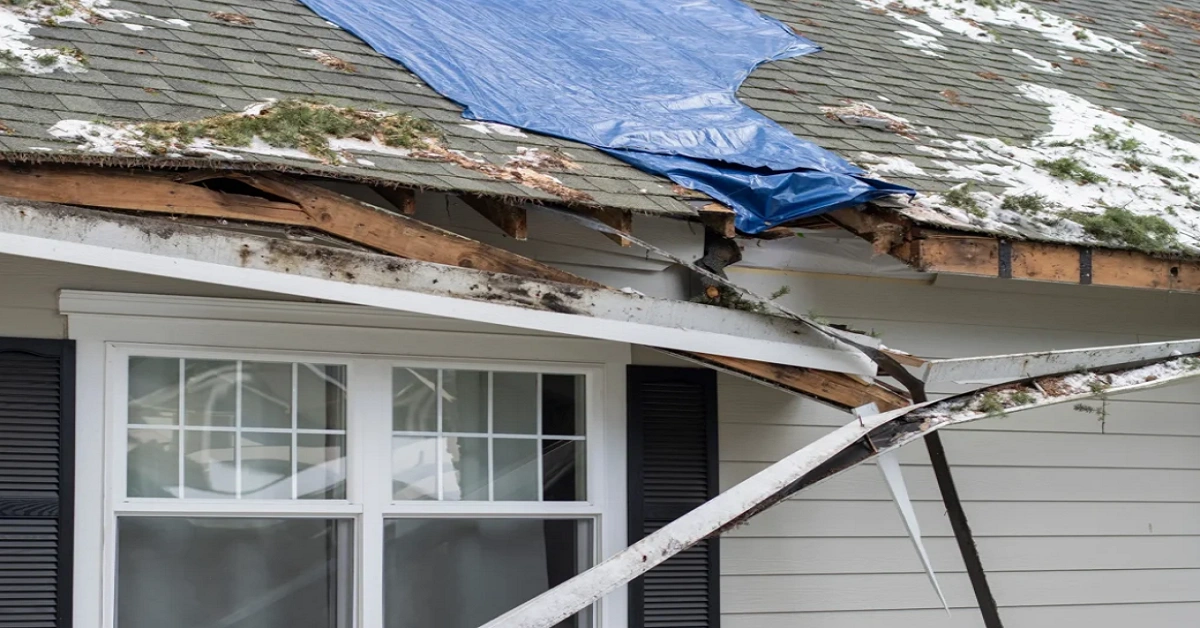
Many homeowners think that old shingles are the biggest reason for roof problems. However, that is not always true. One of the most common hidden causes of roof damage is flashing failures. Small pieces of metal protect the weak parts of your roof, but when they become loose, rusty, or damaged, water quickly finds a way inside. That is why Flashing Failures: The Hidden Reason Homeowners Need Roof Replacement Sooner in Northeast Ohio is a topic every homeowner should understand. If you ignore these problems, they can turn into expensive repairs. Learning about Flashing Failures: The Hidden Reason Homeowners Need Roof Replacement Sooner in Northeast Ohio can help you protect your home, save money, and extend the life of your roof. Professional contractors also recommend proper flashing installation around chimneys and valleys because these areas often develop leaks first. Understanding Flashing Failures: The Hidden Reason Homeowners Need Roof Replacement Sooner in Northeast Ohio helps you spot warning signs early. When you know why Flashing Failures: The Hidden Reason Homeowners Need Roof Replacement Sooner in Northeast Ohio happens, you can act before small issues become major damage.
What Is Roof Flashing?
Roof flashing is a thin piece of metal that covers the places where water can easily enter the roof. These metal pieces guide rainwater away from joints, edges, chimneys, skylights, vents, and valleys.
Without flashing, even a new roof can leak during heavy rain or snow. That is why flashing is just as important as shingles. Both of them work together to keep your home dry and safe.
Different materials are used for flashing, including:
- Aluminum
- Steel
- Copper
- Galvanized metal
Each one offers protection, but they all need correct installation and regular inspections.
Why Flashing Fails
Roof flashing does not last forever. Over time, weather and aging weaken it. Northeast Ohio experiences heavy rain, snow, freezing temperatures, and strong winds. These weather conditions slowly damage flashing.
Common reasons flashing fails include:
- Poor installation
- Rust and corrosion
- Loose nails
- Strong wind damage
- Ice buildup
- Aging roofing materials
- Poor maintenance
When flashing becomes loose, water slips underneath it. Then moisture reaches the wooden roof deck, insulation, and ceilings inside your home.
Leak-Prone Roof Areas Need Extra Protection
Some parts of a roof naturally collect more water than others. These areas need stronger flashing because they face more stress every season.
Common leak-prone roof areas include:
Chimneys
The space where the chimney meets the roof is one of the most common leak locations. Water easily enters small gaps if flashing becomes damaged.
Roof Valleys
A valley flashing system protects the place where two roof slopes meet. Rainwater flows through these valleys every time it rains. If valley flashing cracks or separates, water quickly enters the roof.
Roof Vents
Plumbing vents and exhaust vents need flashing around their bases. Rubber seals also wear out over time.
Skylights
Improper flashing around skylights often causes slow leaks that homeowners may not notice for months.
Dormers
Dormers create extra roof joints. These areas require careful sealing and flashing.
Chimney Flashing Leak Problems
A chimney flashing leak often begins as a tiny problem. You may notice small water stains on your ceiling after heavy rain.
As time passes, the leak becomes worse.
Water can damage:
- Drywall
- Ceiling paint
- Wooden framing
- Insulation
- Roof decking
Many homeowners think they only need ceiling repairs. However, the real issue starts outside where the flashing has failed.
Replacing damaged chimney flashing early costs much less than replacing a large section of the roof
Valley Flashing Protects Heavy Water Flow
Every roof has places where water naturally travels.
Roof valleys handle thousands of gallons of rainwater every year.
That is why valley flashing must stay in excellent condition.
If leaves, branches, or debris collect inside the valley, water cannot drain properly. Standing water slowly weakens flashing and roofing materials.
Cleaning roof valleys every season helps prevent serious damage.
Poor Flashing Installation Causes Big Problems
Many roofing problems begin during installation.
Poor flashing installation leaves small openings around roof features.
Even tiny gaps allow moisture to enter.
Professional roofers carefully install flashing by:
- Measuring each section correctly
- Using quality metal materials
- Sealing every edge
- Securing flashing with proper fasteners
- Testing water flow
When flashing is installed correctly, your roof performs much better during storms.
Signs Your Roof Flashing May Be Failing
Most flashing problems give warning signs before major damage happens.
Watch for these symptoms:
- Water stains on ceilings
- Wet attic insulation
- Mold growth
- Missing shingles
- Rusted metal flashing
- Loose flashing pieces
- Peeling interior paint
- Soft roof decking
- Dripping water after storms
If you notice any of these signs, schedule a roof inspection as soon as possible.
How Flashing Damage Leads to Roof Replacement
Many homeowners believe only shingles determine roof life.
Actually, flashing protects the roof system from hidden water damage.
When flashing fails:
- Water enters the roof.
- Wood absorbs moisture.
- Roof decking starts rotting.
- Mold begins growing.
- Structural damage spreads.
- Shingles loosen.
- The roof becomes unsafe.
Eventually, repairs are no longer enough.
Instead of replacing one flashing section, homeowners often need a complete roof replacement.
Northeast Ohio Weather Makes Flashing Wear Out Faster
Homes in Northeast Ohio face difficult weather throughout the year.
Winter snow melts during the day and freezes again at night.
This constant freezing and thawing causes flashing to expand and contract.
Over time, nails loosen and metal separates.
Heavy rain, hail, strong wind, and ice dams make these problems even worse.
Regular inspections help find damage before expensive repairs become necessary.
Roof Flashing Repair Can Prevent Bigger Costs
A simple roof flashing repair today may prevent thousands of dollars in future repairs.
Roofers inspect flashing around:
- Chimneys
- Valleys
- Skylights
- Roof vents
- Dormers
- Wall connections
If they find small damage, they replace or reseal the flashing before water reaches the roof deck.
Quick repairs protect both your home and your budget.
How Professionals Inspect Roof Flashing
Experienced roofing contractors know exactly where hidden leaks begin.
During an inspection, they check:
- Loose flashing
- Rust spots
- Missing sealant
- Nail holes
- Bent metal
- Water stains
- Valley flashing condition
- Chimney flashing condition
These inspections usually take much less time than major roof repairs.
Tips to Make Roof Flashing Last Longer
Although flashing eventually wears out, proper care helps it last much longer.
Follow these simple tips:
- Schedule yearly roof inspections.
- Clean leaves from roof valleys.
- Repair damaged shingles quickly.
- Remove tree branches hanging over the roof.
- Fix small leaks immediately.
- Keep gutters clean.
- Replace rusted flashing before it fails.
These easy maintenance steps protect your roof for many years.
Why Professional Roofing Matters
Some homeowners try to repair flashing themselves.
However, roofing work requires experience and proper safety equipment.
Professional roofers understand:
- Water flow patterns
- Roof design
- Flashing placement
- Proper sealing methods
- Local building codes
Their experience helps prevent future leaks and expensive mistakes.
Final Thoughts
Many roof replacements begin with a small flashing problem that goes unnoticed. A loose piece of metal around a chimney, valley, or roof vent may seem harmless, but it can allow water to enter your home every time it rains. Over the years, that hidden moisture damages wood, insulation, and the roof structure. By checking your roof regularly and fixing small flashing issues quickly, you can avoid costly repairs and extend the life of your roof. Whether you need a roof flashing repair, help with a chimney flashing leak, replacement of valley flashing, or expert flashing installation, taking action early is always the smarter and more affordable choice for homeowners in Northeast Ohio.